Source Air Cushion Machine for Packaging, Logistics, and Shipping
Compare 30 air cushion machine listings from Henan, China, featuring semi-automatic and automatic grades with varying inflation speeds. Buyers can evaluate models like Kth35 and fc-PAK180 for fabric cutting and packaging needs; compare the available evidence and request quotations based on your requirements.
Key considerations
Products List








Comprehensive Sourcing Guide
Air Cushion Machine Sourcing Guide
Procuring an air cushion machine requires a clear understanding of the distinct operational modes available in the current market. Buyers typically encounter two primary categories: semi-automatic fabric cutting systems and automatic volumetric filling units. The semi-automatic variants, often constructed with iron and plastic components, are designed for precision cutting tasks across various textile materials, including leather and general fabrics. These machines usually feature a straight sewing head configuration and allow for customizable sewing areas ranging from four to one hundred twenty centimeters. This flexibility makes them suitable for small to medium-sized workshops that require adaptability in handling different material thicknesses and dimensions without extensive retooling.
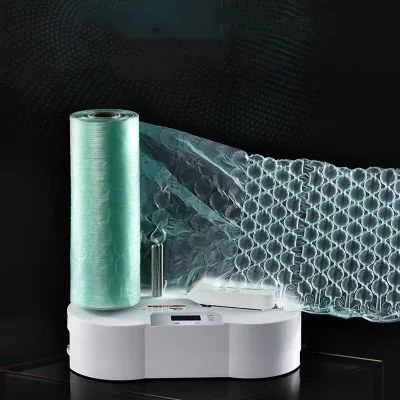
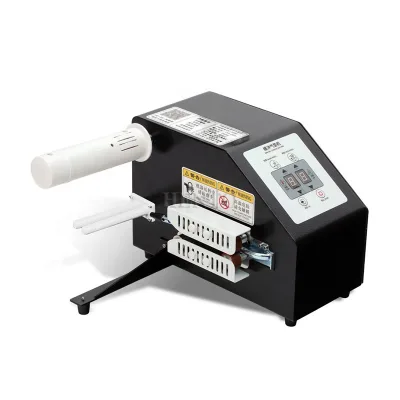
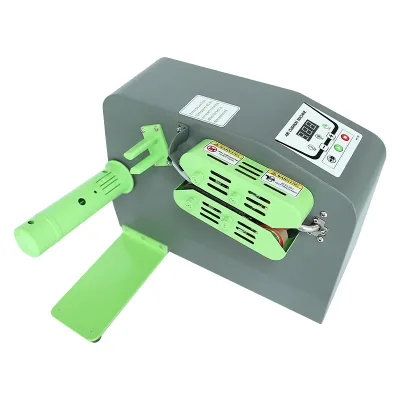
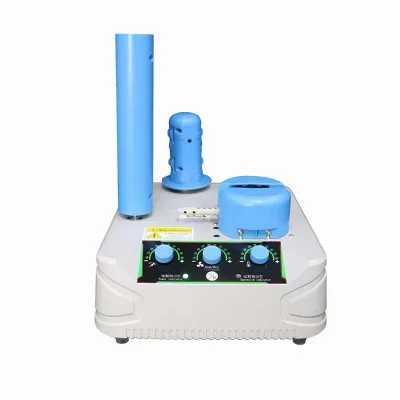
In contrast, automatic air cushion machines focus on the rapid generation of protective packaging materials. These units are engineered to produce continuous air pillows at high speeds, with inflation rates typically observed between twelve and twenty-eight meters per minute. Constructed from durable ABS engineer plastic or metal frames, these machines operate on universal input voltages of one hundred ten to two hundred twenty volts. They are essential for e-commerce fulfillment centers and logistics operations that need to minimize packaging waste while maximizing shipping efficiency. Understanding this fundamental distinction between cutting and filling technologies is the first critical step in aligning procurement goals with the correct machinery type.
Product Scope and Observed Listing Signals
Market listings for air cushion machines reveal a wide spectrum of pricing and minimum order quantities that reflect the diversity of available technologies. Observed price points range significantly, starting from approximately one hundred dollars for basic manual or semi-automatic units up to nineteen thousand dollars for advanced, fully automated industrial systems. This variance is driven by factors such as motor power, automation level, and build quality. Buyers should note that minimum order quantities are generally low, often starting at just one set, which facilitates trial purchases for small businesses. However, the sheer volume of thirty distinct product listings indicates a highly competitive supplier base, necessitating careful vetting to ensure consistency in product quality and after-sales support.
The observed product attributes highlight specific technical configurations that buyers must verify against their operational needs. For instance, some models are specified with a rated power of two hundred watts and operate at standard frequencies of fifty or sixty hertz, ensuring compatibility with global electrical standards. Others may feature heat sealing temperature controls with multiple adjustable levels, allowing for precise sealing of different film thicknesses. Additionally, the physical dimensions of these machines vary, with some compact units measuring around four hundred by three hundred sixty by two hundred ninety millimeters, while larger industrial frames may exceed one meter in length. Buyers must cross-reference these physical and electrical specifications with their facility’s space constraints and power infrastructure to avoid integration issues.
Technical Specifications to Verify
When evaluating air cushion machines, the inflation speed and filling valve configuration are paramount for determining throughput efficiency. Automatic models often feature single-head filling valves and are capable of producing air pillows at rates up to twenty-eight meters per minute, which is critical for high-volume packaging lines. Buyers should verify the specific inflation rate claimed by the supplier, as performance can vary based on ambient temperature and film quality. Furthermore, the anti-shock classification, typically listed as Class I, indicates the level of electrical protection provided. It is essential to confirm that the machine’s grounding and insulation meet the safety requirements of your local jurisdiction, especially when operating in humid or industrial environments where electrical faults pose a higher risk.
The material composition and automatic grade of the machine also dictate its durability and ease of use. Semi-automatic cutting machines may be constructed from iron and plastic, offering a balance between cost and robustness, while automatic filling machines often utilize ABS engineer plastic for the housing to ensure resistance to wear and tear. Buyers must verify the rated frequency compatibility, as some units are designed for fifty hertz while others support sixty hertz, and some are universal. Additionally, the distance of stitch for cutting machines, ranging from one to twelve point seven millimeters, allows for various seam strengths. Confirming these technical parameters ensures that the selected machine can handle the specific fabric types or packaging films you intend to process without premature failure or suboptimal performance.
Compliance and Safety Documentation
Ensuring that the air cushion machine meets relevant safety and quality certifications is a non-negotiable aspect of the procurement process. Many suppliers provide CE certification, which indicates compliance with European health, safety, and environmental protection standards. Buyers should request a copy of the machinery test report to verify that the electrical components, such as the motor and heating elements, have undergone rigorous testing. The presence of a one-year warranty is a common offering, but it is crucial to understand the scope of this coverage, including whether it covers parts, labor, and shipping costs for replacements. Without proper documentation, buyers risk importing non-compliant equipment that may be subject to customs delays or operational bans in certain markets.
Beyond formal certifications, buyers must verify the electrical safety features and operational safeguards built into the machine. The input voltage range, typically one hundred ten to two hundred twenty volts, suggests universal compatibility, but the power connection type must be confirmed to match local outlet standards. Some machines are classified as Class I for anti-shock protection, meaning they rely on a protective earth connection. Buyers should ensure that the supplier provides clear wiring diagrams and safety manuals in English. Additionally, the packaging material, often fumigation-free wooden cases or five-ply corrugated cartons, should be inspected for damage upon arrival to prevent internal component failure. Proper documentation and safety verification protect the buyer from liability and ensure a safe working environment for operators.
Cost Drivers and Commercial Terms
The total cost of ownership for an air cushion machine extends beyond the initial purchase price to include shipping, installation, and maintenance expenses. The observed price range of one hundred to nineteen thousand dollars reflects significant differences in automation levels and build quality. Semi-automatic cutting machines tend to be on the lower end of this spectrum, while fully automatic volumetric filling units command higher prices due to their complex control systems and higher throughput capabilities. Buyers should also consider the cost of consumables, such as the specific film types required for filling machines, which can vary in price and availability. Understanding these cost drivers helps in creating a realistic budget that accounts for both capital expenditure and ongoing operational costs.
Commercial terms, including minimum order quantities and payment conditions, vary widely among suppliers. Most listings indicate an MOQ of one set, which reduces the financial risk for buyers testing new equipment. However, buyers should negotiate for volume discounts if they plan to purchase multiple units or spare parts. The warranty period, typically one year, is a standard term, but buyers should clarify the response time for technical support and the availability of replacement parts. Additionally, the packing method, whether in a fumigation-free wooden case or a standard carton, affects shipping costs and insurance premiums. Clear communication regarding these commercial terms ensures that there are no hidden fees or unexpected delays in the procurement process, allowing for smoother project planning and execution.
Supplier Qualification and Quality Control
Selecting a reliable supplier for air cushion machines requires a thorough evaluation of their manufacturing capabilities and quality control processes. Buyers should verify the supplier’s place of origin, with many manufacturers located in regions like Henan, China, known for their industrial production capabilities. It is essential to request evidence of their production capacity and past performance with similar orders. Suppliers who provide machinery test reports and CE certification demonstrate a commitment to quality and regulatory compliance. Buyers should also inquire about the customization options available, such as adjustable sewing areas or specific inflation rates, to ensure the machine can be tailored to their unique operational requirements.
Quality control should extend to the physical inspection of the machine upon delivery. Buyers must verify that the product model and specifications match the purchase order exactly, as discrepancies can lead to operational inefficiencies. The condition of the machine, typically listed as new, should be confirmed through detailed photographs or video inspections before shipment. Additionally, buyers should assess the supplier’s after-sales support structure, including the availability of technical documentation and training materials. A reputable supplier will offer comprehensive support to ensure that the machine is installed and operated correctly. By prioritizing suppliers with strong quality control measures and transparent communication, buyers can mitigate the risks associated with international procurement and ensure a successful implementation of the air cushion machine.
Long-Term Procurement Checks
Establishing a long-term relationship with an air cushion machine supplier involves regular performance reviews and maintenance planning. Buyers should monitor the machine’s operational efficiency over time, tracking metrics such as inflation speed and defect rates to identify any degradation in performance. Regular maintenance, including cleaning the filling valves and checking electrical connections, is essential to prolong the machine’s lifespan. Buyers should also stay informed about updates in packaging technology and film materials, as advancements in these areas may necessitate machine upgrades or modifications. By proactively managing the machine’s lifecycle, buyers can maximize their return on investment and maintain high packaging standards.
Furthermore, buyers should periodically reassess their supplier’s reliability and service quality. This includes evaluating the timeliness of spare parts delivery and the effectiveness of technical support in resolving issues. Suppliers who consistently meet quality and service expectations should be considered for future purchases or expansions. Conversely, any recurring issues or delays should be addressed immediately to prevent disruptions in the packaging process. Buyers should also explore opportunities for bulk purchasing of consumables, such as packaging film, to secure better pricing and ensure a steady supply. By maintaining a strategic approach to supplier management and machine maintenance, buyers can ensure the long-term success and efficiency of their packaging operations.
FAQs
What is an air cushion machine used for?
An air cushion machine inflates plastic film into protective cushioning material used to wrap and pack fragile goods. It converts flat film rolls into air-filled pillows or bubbles on demand, reducing storage space compared with pre-made packaging. It suits logistics, e-commerce, and warehousing operations that need protective filler produced in-house.
How fast can an air cushion machine inflate film?
Inflation speed varies by model, with listed machines reaching around 12 to 13 meters per minute on compact units and up to 28 meters per minute on higher-output models. Actual output also depends on film width, selected cushion size, and heat-sealing settings, so verify throughput against your packaging volume before ordering.
What power supply does an air cushion machine require?
Listed models accept AC110-220V universal input at 50Hz or 60Hz rated frequency, which covers most residential and commercial power systems worldwide. Confirm your local voltage and plug standard before shipment, and check whether a plug adapter or converter is needed for your facility's outlets.
Which minimum order quantity applies when buying an air cushion machine?
The listed minimum order quantity is one set, so buyers can order a single machine for testing or small-scale use. This makes trial purchases and pilot lines practical before committing to larger volumes. Customization is also available, allowing configuration changes on a one-unit order.
Can the air cushion machine settings be customized?
Yes, customization is available on listed models. Buyers can typically adjust parameters such as inflation speed, heat-sealing temperature levels, and film specifications to match their packaging materials. Discuss your film type, cushion size, and production volume with the supplier so the machine is configured correctly before dispatch.
What warranty and testing documentation come with an air cushion machine?
Listed machines include a one-year warranty and a machinery test report provided with each unit. The test report documents that the equipment was checked before delivery. Machines ship new, and packing options include five-ply corrugated cartons or fumigation-free wooden cases for export transport.
Which materials and packaging types suit an air cushion machine?
These machines work with plastic film packaging material and inflate it using air as the filling medium. They are volumetric filling machines designed for cushioning applications rather than liquid filling. Check film compatibility, thickness range, and roll dimensions with the supplier to ensure the film you use matches the machine's feeding and sealing system.